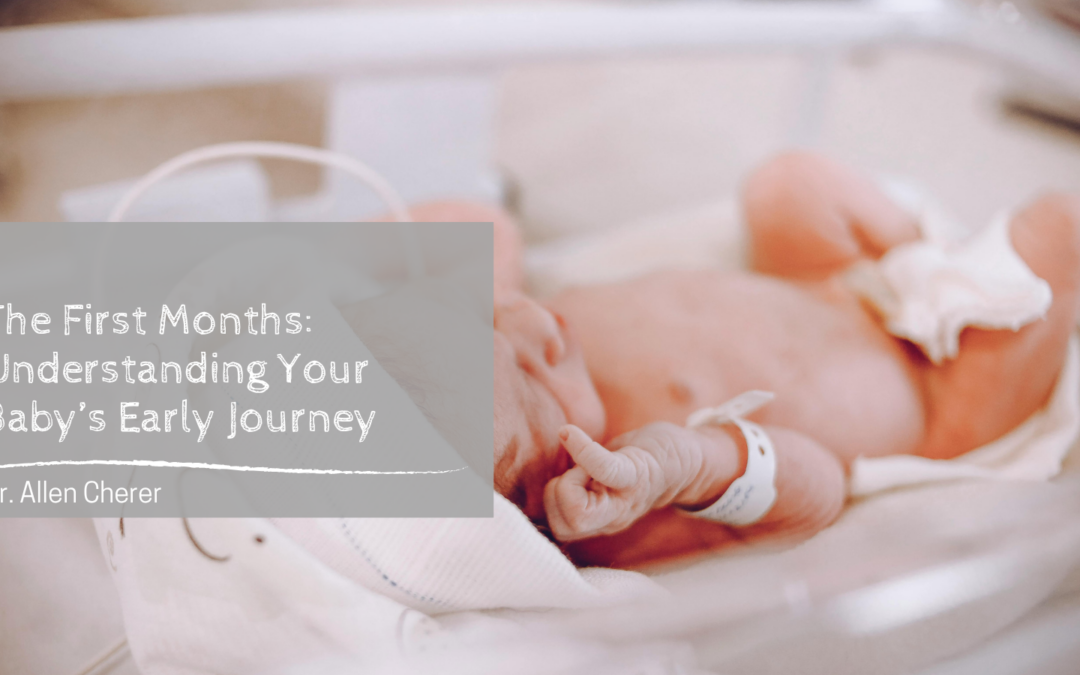
The first few months with a newborn can feel like a world of firsts. The first smile, the first time they follow a face with their eyes, the first stretch of longer sleep, and the first moments of recognizing familiar voices can all feel significant.
Neonatal care is about providing babies with the support they need during this important period while giving parents the confidence to understand their changing needs. Every baby develops at their own pace, and early milestones are best viewed as gentle markers rather than deadlines.
The First Days: Adjusting to a New World
The newborn period is a time of considerable adjustment. Babies are becoming familiar with light, sounds, movement, and the people around them, while parents are learning their baby’s individual patterns.
Basic care revolves around feeding, sleep, warmth, cleanliness, and creating a safe environment. Regular pediatric appointments also provide opportunities to monitor growth and development and discuss any questions or concerns.
For babies who require specialized neonatal care, additional monitoring and support may be necessary. The goal is to provide a nurturing environment while their bodies continue developing.
The First Month: Familiar Faces and Voices
During the first several weeks, babies spend much of their time eating and sleeping. Their movements may still appear uncoordinated, but they gradually become more responsive to their surroundings.
They may begin paying attention to familiar voices and faces, particularly when parents talk, sing, or gently interact with them. These everyday interactions are valuable opportunities for bonding.
Parents do not need elaborate activities to encourage early development. Talking, holding, making eye contact, and responding to a baby’s cues can become meaningful parts of the daily routine.
Months Two and Three: Emerging Personality
As babies approach the second and third months, parents may begin noticing more intentional interaction. Social smiles can emerge, and babies may become increasingly interested in faces and sounds.
They may also begin making more varied sounds and showing greater awareness of what is happening around them. Some babies become more expressive, giving parents their first glimpse of the personalities that will continue to develop.
These changes can be exciting, but there is no single timeline that every baby follows.
Creating a Supportive Environment
Early development happens through everyday experiences. A calm environment, attentive caregiving, and opportunities for gentle interaction can help babies explore their surroundings as they grow.
Parents can also pay attention to their baby’s cues. Learning when a baby appears hungry, tired, comfortable, or overstimulated can gradually make communication easier.
Just as importantly, parents need support themselves. Caring for a newborn can be demanding, and having trusted family members, friends, and healthcare professionals available can make the transition easier.
Celebrating Progress, Not Perfection
The early months are not about checking off milestones. They are about watching a new person gradually discover the world.
Some babies may reach certain milestones earlier or later than others. Regular checkups can help parents understand their baby’s individual growth and development and provide guidance when questions arise.
Above all, these first months are about connection. A gentle voice, a reassuring embrace, and a familiar face can become some of a baby’s earliest experiences of safety and belonging.
Neonatal care provides the foundation, but everyday moments of attention and love help make those first months a meaningful beginning to a child’s journey.