
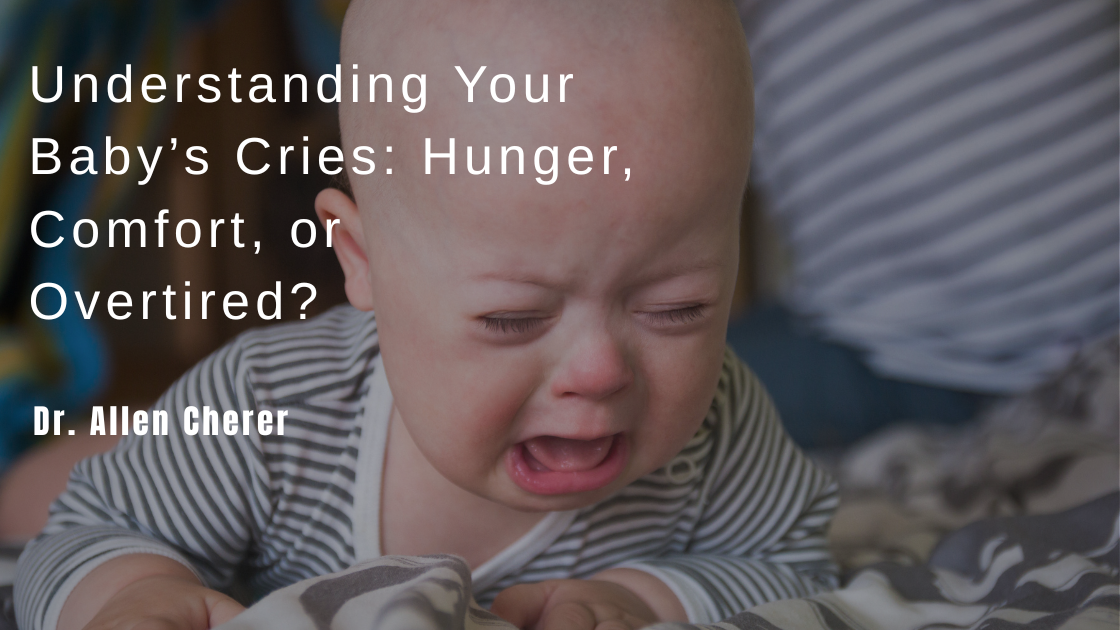
 If you’ve ever found yourself holding a crying baby and wondering, “What do you need?”—you’re not alone. Crying is a newborn’s primary way of communicating, but decoding those cries can feel overwhelming, especially in the early weeks. Hunger, the need for comfort, and overtiredness are among the most common reasons babies cry, and learning to recognize the differences can make caregiving feel more manageable and less stressful.
The good news? You don’t need to interpret every cry perfectly. Over time, patterns emerge—and your confidence grows.
Why Babies Cry
Babies cry because they have limited ways to express their needs. Crying doesn’t mean something is wrong or that you’re doing something incorrectly—it simply means your baby is communicating.
Common reasons for crying include:
-
Hunger
-
Need for comfort or closeness
-
Overtiredness
-
Discomfort (wet diaper, gas, temperature)
In this article, we’ll focus on the three most frequent causes: hunger, comfort-seeking, and being overtired.
Hunger Cries: “I’m Ready to Eat”
Hunger is one of the easiest cries to address once you recognize the early signs. Babies usually give subtle cues before crying, and responding early can prevent distress.
Early hunger cues include:
-
Rooting (turning head toward touch)
-
Sucking on hands or fingers
-
Smacking lips or opening the mouth
-
Increased alertness
If these cues are missed, crying often follows. Hunger cries tend to:
-
Start softly and gradually increase
-
Sound rhythmic or repetitive
-
Pause briefly, then resume
If your baby calms quickly once feeding begins, hunger was likely the cause. Feeding on demand—rather than on a strict schedule—is common and appropriate for newborns.
Comfort Cries: “I Need You”
Sometimes babies cry not because they need food, but because they need closeness, reassurance, or help regulating their emotions. This is often referred to as comfort crying.
Signs your baby may be seeking comfort:
-
Crying soon after feeding
-
Wanting to be held or rocked
-
Settling when cuddled, worn, or soothed
-
Crying more in the evening or during transitions
Comfort cries may sound fussier or intermittent rather than urgent. Responding to these cries does not spoil your baby. In fact, consistent comfort helps babies feel secure and teaches them that their needs will be met.
Ways to provide comfort include:
-
Skin-to-skin contact
-
Gentle rocking or swaying
-
Soft talking or singing
-
Babywearing
Your presence is often the solution.
Overtired Cries: “I’m Too Tired to Sleep”
Overtiredness is a common—and often misunderstood—cause of crying. Babies have short wake windows, and when they stay awake too long, they may become fussy and harder to settle.
Signs of overtiredness include:
-
Red or droopy eyelids
-
Yawning or staring off
-
Jerky movements
-
Increased fussiness that escalates quickly
Overtired cries can sound intense, strained, or high-pitched. Babies who are overtired may arch their backs, resist feeding, or fight sleep even though they desperately need rest.
Helping an overtired baby often requires:
-
Reducing stimulation (dim lights, quiet room)
-
Swaddling
-
Gentle rocking or white noise
-
Putting baby down before crying escalates, when possible
Learning your baby’s typical wake windows can make a big difference in preventing overtiredness.
What If You’re Not Sure?
Sometimes cries overlap. A baby may be hungry and overtired, or need comfort after feeding. When in doubt, it’s okay to move through a simple checklist:
-
Try feeding
-
Check diaper and physical comfort
-
Offer soothing
-
Support sleep
There’s no harm in trying more than one approach. Babies don’t expect perfection—they need responsiveness.
Trusting Yourself (Even When It’s Hard)
In the early days, many parents worry they’re “missing something” or not responding correctly. But responding with care—even if it takes a few tries—is exactly what your baby needs.
Over time, you’ll start to notice patterns:
-
Certain cries at certain times of day
-
What works fastest for soothing
-
How long your baby can comfortably stay awake
This learning process is normal and doesn’t happen overnight.
When to Seek Support
If your baby:
-
Cries inconsolably for long periods
-
Seems uncomfortable or in pain
-
Isn’t feeding or sleeping well
-
Has sudden changes in crying patterns
It’s always appropriate to reach out to your pediatrician or healthcare provider for guidance. You’re never “overreacting” by asking questions.
Final Thoughts
Crying is your baby’s language—and you’re learning it day by day. Whether the need is hunger, comfort, or sleep, your willingness to respond is what matters most.